
Stop Man-in-the-Middle
Attacks Before They Launch
Attackers register lookalike domains, obtain legitimate HTTPS certificates, and set up proxy servers that intercept live sessions — capturing passwords, MFA tokens, and session cookies in real time. The padlock icon means nothing when the attacker controls the site.
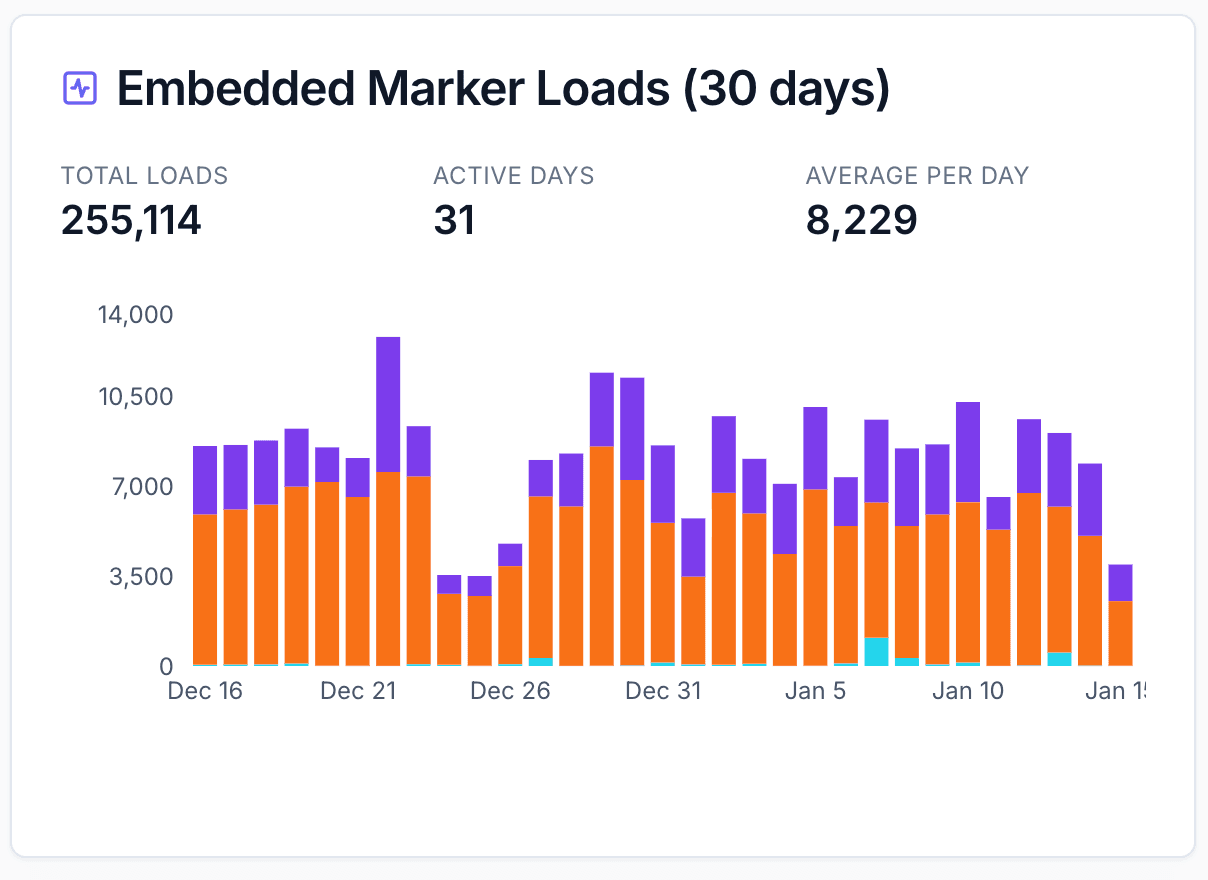
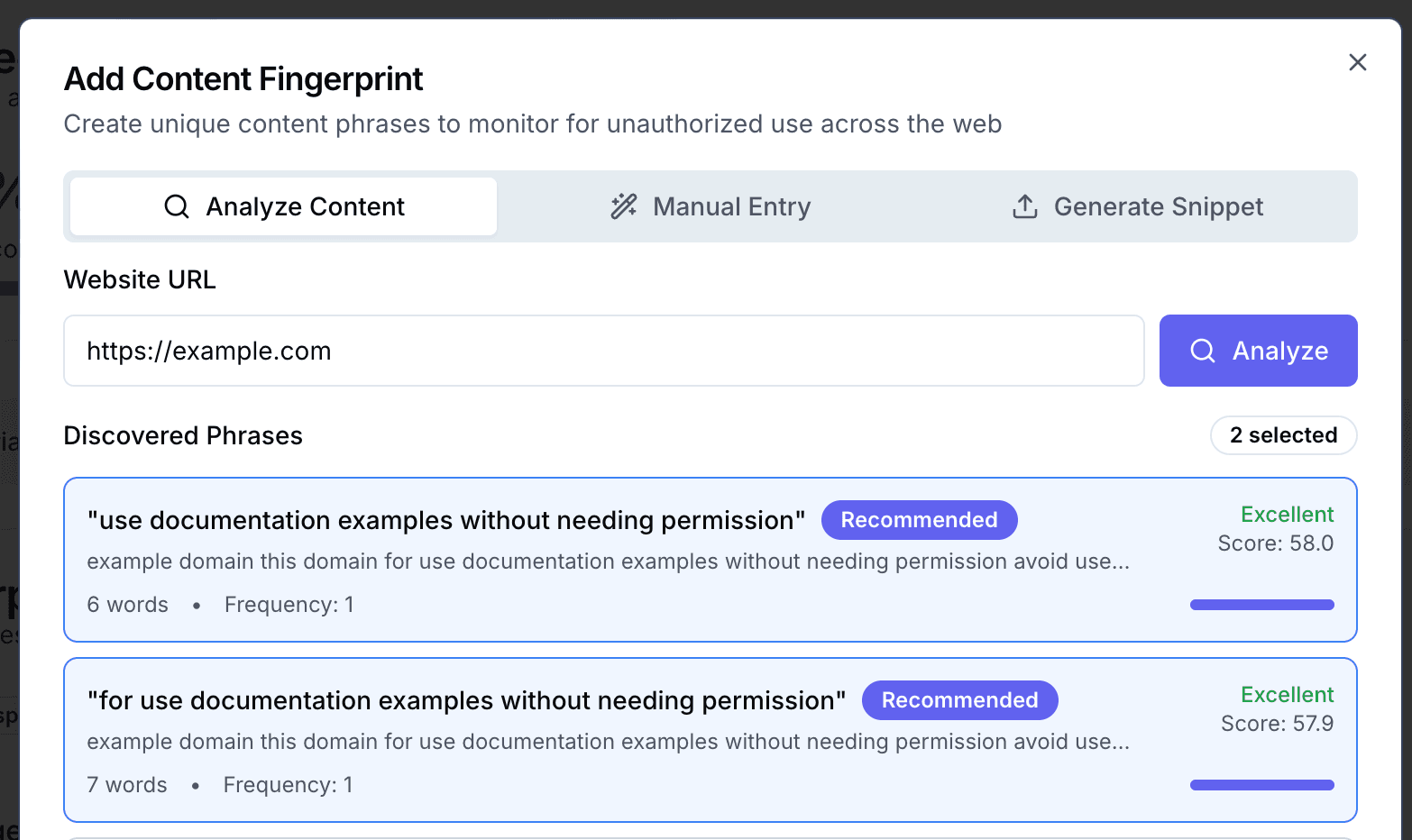
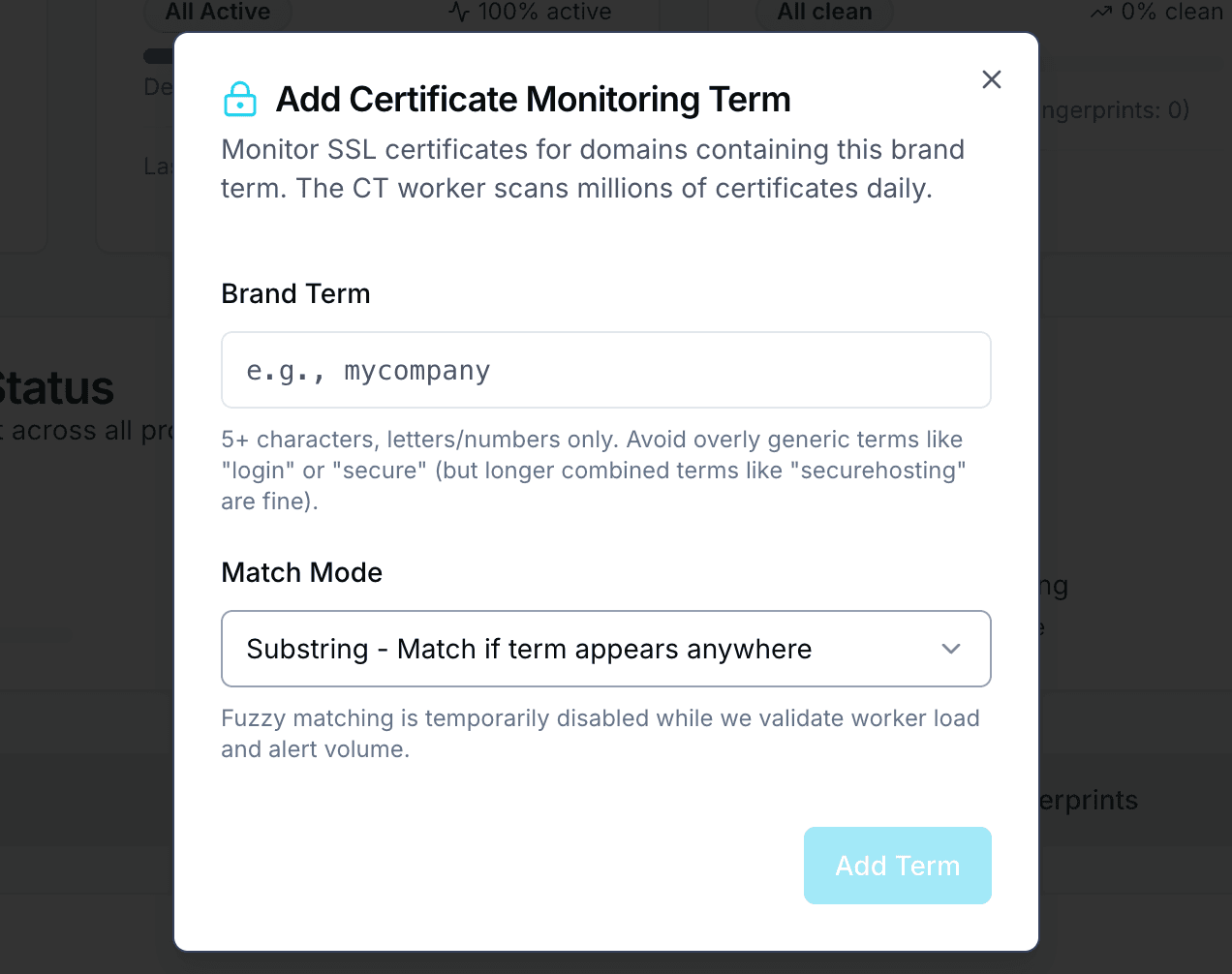
DefendDomain detects proxy attacks across four of its five layers: catching the lookalike domain at registration, the rogue certificate at issuance, cloned content via embed markers, and fake sites through search engine monitoring.
Phishing attacks surged 58% year-on-year (Zscaler 2024), with adversary-in-the-middle attacks emerging as one of the fastest-growing techniques. Over 90% of phishing sites now use HTTPS — meaning the padlock icon your users trust is actively weaponised against them.
We detect proxy infrastructure at every stage — domain, certificate, content, and indexing.
DefendDomain monitors domain registrations, Certificate Transparency logs, embedded security markers, and search engine indexes. When an attacker builds proxy infrastructure impersonating your brand, your team is alerted with full evidence for immediate takedown.
Understanding the threat
What Are Man-in-the-Middle Attacks?
An adversary-in-the-middle (AiTM) attack occurs when an attacker positions a proxy server between the victim and a legitimate service. The victim connects to a fake site on a lookalike domain, and the proxy relays traffic to the real server — intercepting everything in transit, including MFA tokens.
Traditional Phishing
Static fake login pages that capture credentials. Defeated by MFA since the attacker can't replay the session.
MFA provides protection against basic phishing.
Credential Stuffing
Automated login attempts using stolen username/password databases from previous breaches.
Mitigated by MFA and rate limiting.
AiTM Proxy Attacks
Real-time proxy servers on lookalike domains that intercept live sessions — capturing passwords, MFA tokens, and session cookies simultaneously. Bypasses MFA completely because the attacker relays the real-time session.
We detect the lookalike domain, rogue certificate, and cloned content before the proxy causes damage.
How MITM Attacks Intercept Your Sessions
An attacker registers a lookalike domain, obtains a valid SSL certificate, and positions their server between your customer and your real site — intercepting everything in transit.
Without Protection
With DefendDomain
Real-World MITM Threats We Detect
These attacks exploit certificates and lookalike domains to intercept live sessions.

 Session Hijacking, Phishing
Adversary-in-the-Middle (AiTM)
Spoofed domains intercept live authentication sessions and bypass MFA.
Who Benefits from MITM Protection
AiTM attacks bypass MFA and network controls. Every team responsible for access security has a reason to act.
CISOs & Security Leaders
Close the MFA bypass gap in your security posture
Board-level evidence that your external perimeter is continuously monitored. Every proxy domain and rogue certificate detected, documented, and reported.

IT Directors & Heads of Risk
Multi-layered proxy detection without the headcount
Automated domain monitoring, embed markers, search engine scanning, and CT log analysis replace manual monitoring. Threats arrive pre-triaged with risk scores.

Compliance & GRC Teams
Demonstrate proactive external threat governance
Audit trail of every lookalike domain, cloned page, and rogue certificate tied to your brand. ISO 27001 and NIST CSF reporting in one click.

SOC & Incident Response
Proxy threat alerts in existing SIEM workflows
Detected threats flow into Splunk, Sentinel, or Wazuh with full details: domain WHOIS, certificate data, embed marker hits, and risk scoring.

Common assumptions
Why Your Current Defenses Miss MITM Attacks
MFA, HTTPS, and network security are essential — but none of them were designed to stop impersonation-based session interception.
"We use MFA everywhere"
MFA protects against credential replay, not real-time session interception. AiTM proxy attacks capture the MFA token and session cookie simultaneously as the user authenticates. The attacker doesn't need to replay anything — they have the live session.
How AiTM bypasses MFA"HTTPS protects our users"
HTTPS encrypts the connection between a user and whatever server they connect to — including the attacker's proxy. Over 90% of phishing sites now use HTTPS with legitimate certificates. The padlock icon tells users the connection is encrypted, not that the site is genuine.
Why HTTPS isn't enough"Our network security catches intrusions"
VPNs, firewalls, and IDS/IPS protect your internal network. But AiTM attacks happen entirely on external infrastructure — the victim voluntarily connects to the wrong server. Your network monitoring never sees it because the attack never touches your systems.
The external perimeter gap"Threat intel feeds will flag it"
Threat intelligence feeds are reactive — they list known phishing domains after they've been reported. AiTM proxies can harvest hundreds of sessions in the hours between going live and being reported. DefendDomain catches the lookalike domain at registration, the certificate at issuance, and cloned content via embed markers — before the proxy causes damage.
Proactive vs reactive detectionFive layers of protection
How DefendDomain Stops MITM Attacks
Every AiTM attack requires a lookalike domain, an SSL certificate, and cloned content. We detect all three, plus search engine indexing, across four of DefendDomain's five layers.
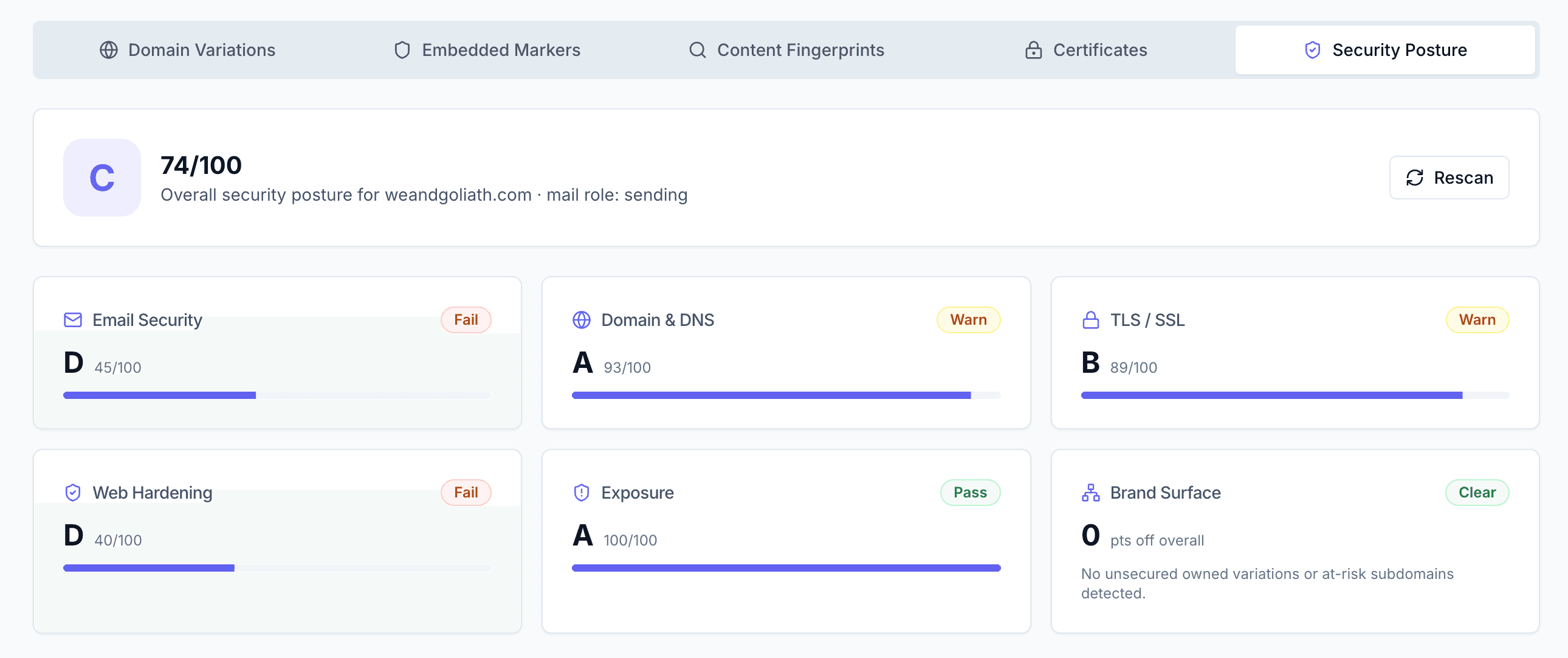
Layer 1
Domain Monitoring
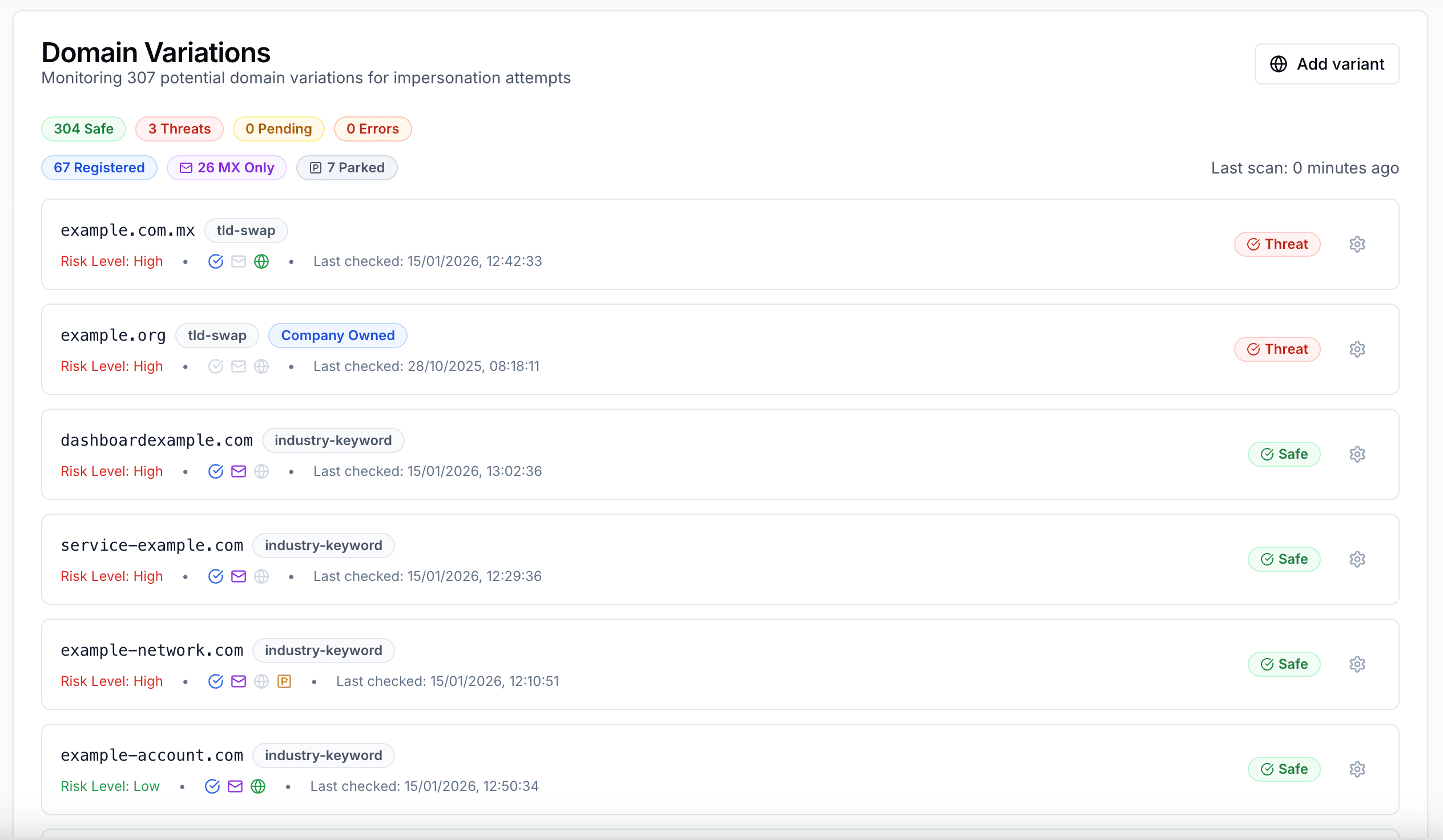
Proactively monitors for lookalike domains that could be used to impersonate your brand. Our AI generates thousands of domain variations including typos, homoglyphs, and keyword combinations, then continuously scans for registrations.
- Detects typosquatting and phishing domains
- Monitors domain registrations in real-time
- AI-powered threat scoring and prioritization
- Automated evidence collection for takedowns
See it in action
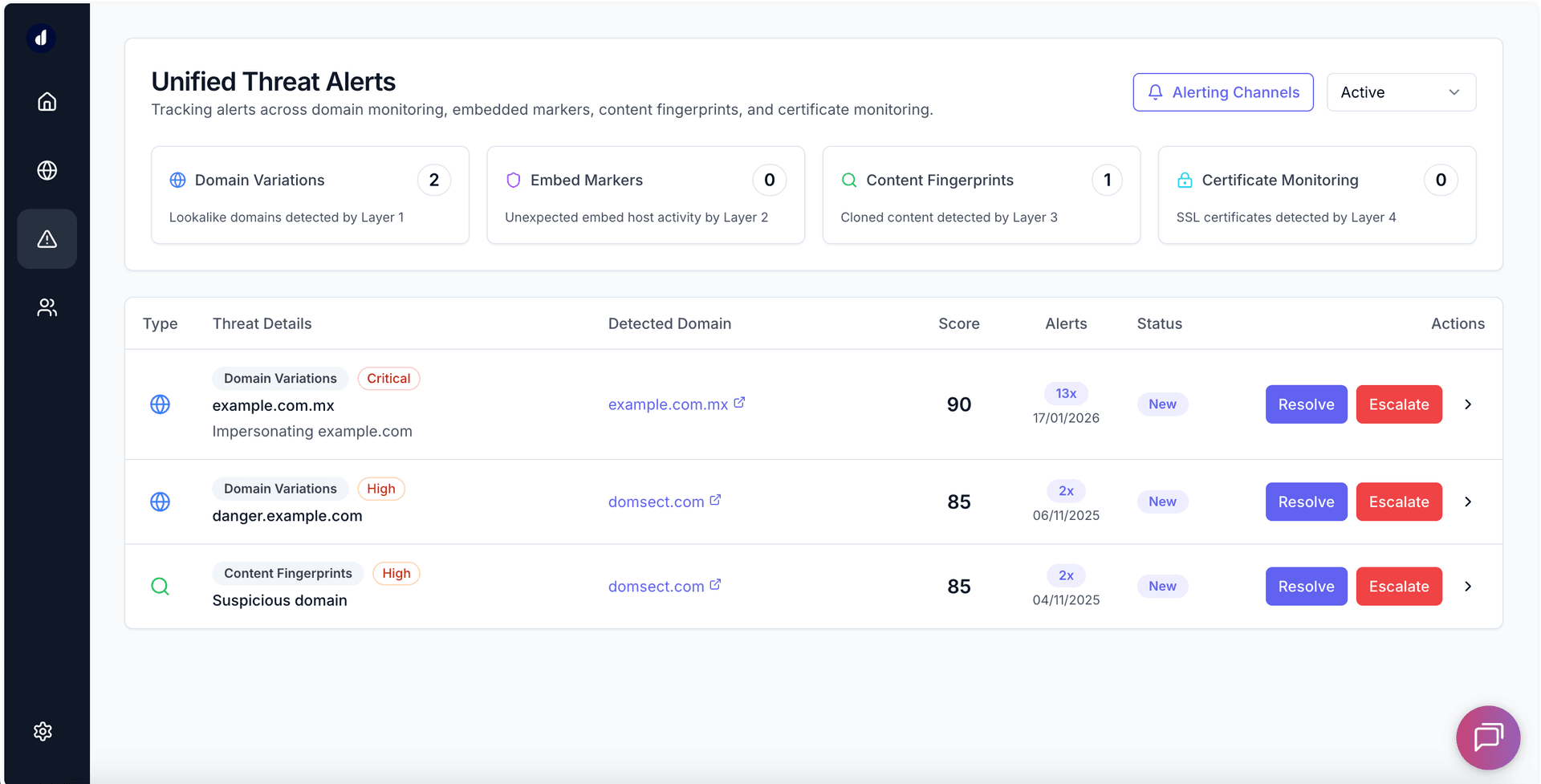
When We Detect a Proxy Threat, You Get Everything
Not just an alert — a complete evidence package with domain WHOIS, DNS records, certificate details, embed marker hits, content screenshots, and a clear workflow for takedown.
Unified Threat Dashboard
Threat detections feed into a single dashboard. Intelligent deduplication prevents alert fatigue, while threat lifecycle management tracks every incident from detection to resolution with a full audit trail.
One Pane of Glass
Filter by detection type, severity, and status
Intelligent Deduplication
Prevents repeated alerts with exponential backoff and smart grouping
Rich Evidence
Screenshots, WHOIS, DNS records, hosting info, and risk scoring — automatically compiled
Full Lifecycle Tracking
Six statuses from detection to resolution, with notes and a complete audit trail
Fits Into Your Existing Workflow
Alerts arrive wherever your team works. No new dashboard to monitor — threats flow directly into your existing tools.

Slack

Teams
Webhooks
SMS

Splunk HEC

Sentinel

Wazuh
RBAC & Team Collaboration
Role-based access control with System Admin, Threat Manager, and Security Observer roles.
Compliance Reports
ISO-ready reports, Certificate of Protection PDFs, and complete audit trails for regulators.
RESTful API
Programmatic access for custom integrations, automation, and extending your security workflows.
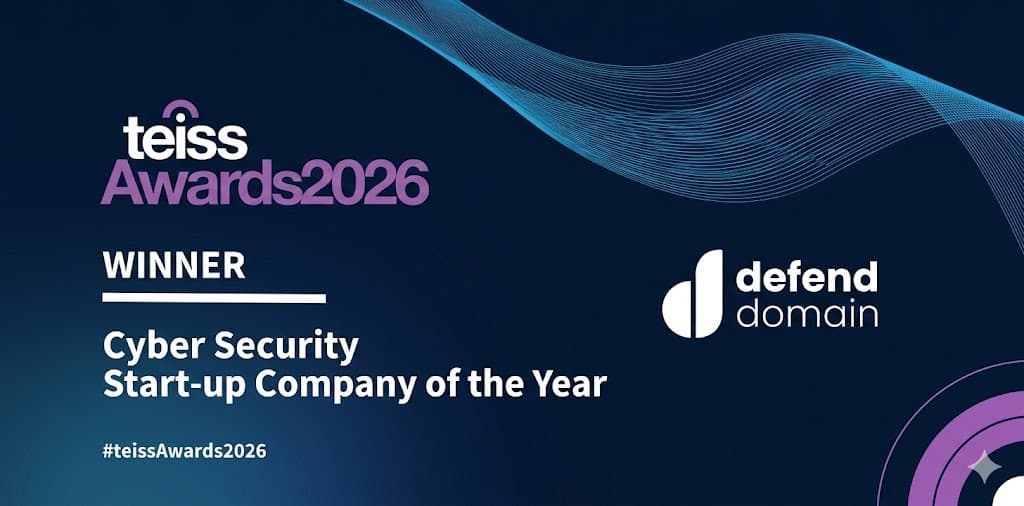
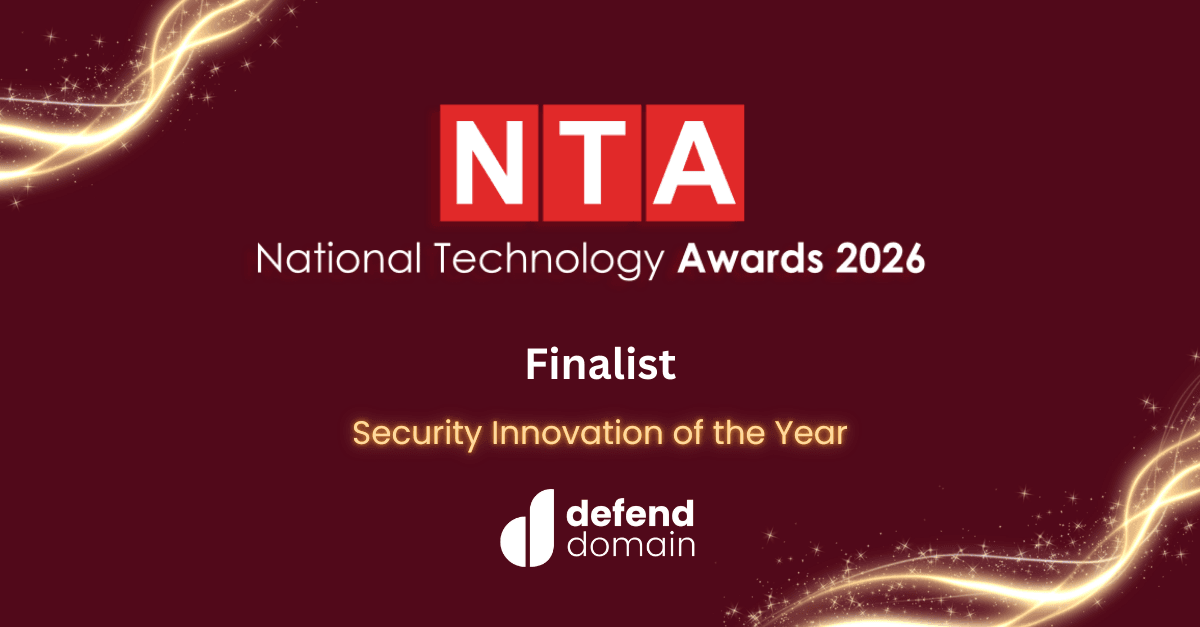
Industry Recognition
Our approach to proactive domain security has been recognized by leading industry bodies and cybersecurity experts.

Frequently Asked Questions
Common questions from security leaders evaluating MITM protection.
See DefendDomain in Action
Request a personalised demo and we'll show you real proxy domains and rogue certificates targeting brands like yours. No obligation — just clarity on your MITM exposure.

Speak with our team
We'll walk you through the platform and answer any questions about protecting your organisation.